
Advancing Equity in Global Education
The Institute for Equity in International Education works to remove structural, geographic, and economic barriers to learning—using innovative delivery models, vocational education, and global collaboration.
We are a social enterprise dedicated to expanding access to high‑quality, practical education for learners who are traditionally excluded from mainstream systems. Through inclusive design, technology‑enabled delivery, and industry‑aligned programs, we enable individuals and communities to build sustainable futures.
NEWS & EVENTS


What We Stand For
The Institute for Equity in International Education exists to ensure that education is not limited by location, income, or circumstance. We believe that learning should be accessible, relevant, and empowering, particularly for learners in underserved and international contexts.
How We Work
Equity‑led design that prioritises inclusion and cultural respect
Vocational and applied learning focused on real‑world skills and outcomes
Innovative delivery models, including online and low‑bandwidth solutions
Partnership‑driven approaches with educators, institutions, and communities
Why It Matters
Education is one of the most powerful tools for social and economic mobility. By rethinking how education is delivered and who it is designed for, we help learners not only gain qualifications, but build confidence, capability, and long‑term opportunity.
The Institute for Equity in International Education is dedicated to promoting fairness, accessibility, and economic opportunity by providing impactful educational experiences.
We maintain that education must be practical, inclusive, and closely aligned with individuals’ opportunities to enhance their lives. Our initiatives are dedicated to supporting learners who encounter systemic obstacles to education—such as geographic isolation, conflict, displacement, or economic disadvantage—by offering access to foundational courses designed to develop applied skills and improve prospects for economic engagement.
About Us
OuR Values
-
We strive for excellence across all academic endeavours, including teaching, research, scholarship, and service. We set high standards of quality and continuously pursue improvement and innovation.
In alignment with our commitment to equity and impact, we extend excellence beyond traditional academic boundaries by providing targeted skills training for micro-business owners. This includes practical, accessible learning opportunities designed to strengthen enterprise capability, support sustainable livelihoods, and enable economic empowerment within diverse communities.
Through this integrated approach, we foster not only academic achievement, but also real-world outcomes that build resilience, independence, and inclusive economic growth.
-
We uphold the highest ethical standards of honesty, transparency, and accountability in all our activities. We promote academic and intellectual integrity, ensuring that knowledge is created, shared, and applied responsibly.
We foster a culture of ethical behaviour across our community, including participants, faculty, and staff, grounded in respect, fairness, and trust. This commitment extends to our engagement with diverse communities, where we act with cultural awareness and social responsibility.
Through this approach, we ensure that our work not only meets rigorous academic standards, but also contributes to equitable, ethical, and sustainable outcomes in education and practice.
-
We prioritise the needs and success of our participants. We create a supportive and inclusive learning environment that fosters growth, development, and well-being.
Our Virtual Classroom model strengthens this approach by providing accessible, real-time engagement with facilitators and peers, regardless of location. It enables flexible participation, interactive learning, and personalised support, ensuring that participants can apply knowledge in practical and meaningful ways.
Through this approach, we empower individuals to build capability, confidence, and connection within a globally engaged learning community.
-
We value and celebrate diversity in all its forms, including race, ethnicity, gender, religion, socioeconomic background, and abilities. We foster an inclusive environment that respects and supports all people and perspectives.
We recognise that meaningful inclusion requires responsiveness to local contexts. Our curriculum is thoughtfully adapted to align with cultural expectations, community values, and local practices. We also prioritise the use of localised language and accessible communication, ensuring that learning is relevant, respectful, and easily understood by participants in diverse settings.
Through this approach, we create equitable learning opportunities that empower individuals and communities, supporting participation, belonging, and sustainable impact across global contexts.
-
We advance research and innovation to expand access to education and improve work-related capabilities in diverse and often constrained environments. Our focus is on practical, inclusive solutions that respond to real-world challenges and opportunities.
We design and continuously refine mobile-first learning experiences, recognising that mobile phones are the most common and accessible form of communication globally. Our courses, learning materials, and Virtual Classroom environments are optimised for mobile use, enabling participants to engage, contribute, and complete learning activities with simple, intuitive interactions. This includes designs that support one-handed use and straightforward methods for entering information.
Our research also explores effective ways to deliver education within social and cultural contexts, ensuring that learning is respectful, appropriate, and accessible. We investigate innovative approaches to participation, including the use of mobile-based financial systems to support informal payments and purchasing, enabling greater inclusion in learning opportunities.
Through this work, we seek to maximise equitable access to education, strengthen employability and enterprise skills, and contribute to sustainable economic participation across communities.
-
We cultivate ethical and responsible leadership across our community, including participants, faculty, and staff. We support the development of leadership capability grounded in integrity, accountability, and values-based decision-making.
Our ethical outlook is shaped by a commitment to equity, inclusion, and social responsibility. We encourage leaders to act with cultural awareness, respect diverse perspectives, and make decisions that contribute to the well-being of individuals and communities. This includes a focus on responsible innovation, sustainable practices, and fair access to opportunities.
We promote leadership that serves the greater good, equipping individuals to drive positive change in their workplaces and communities. Through this approach, we
develop leaders who are effective, principled, purpose-driven, and committed to creating equitable and lasting impact.
Our Purpose
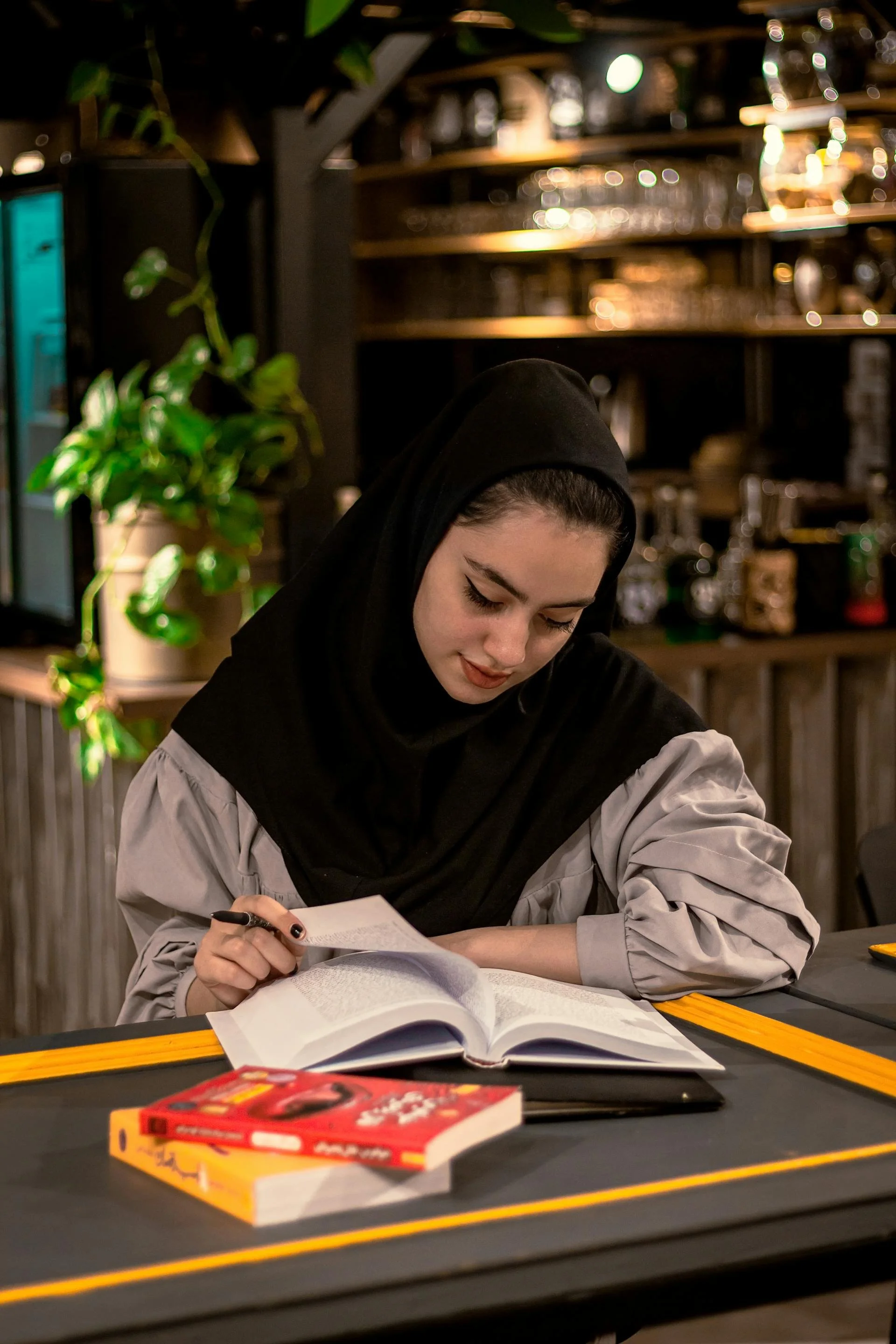
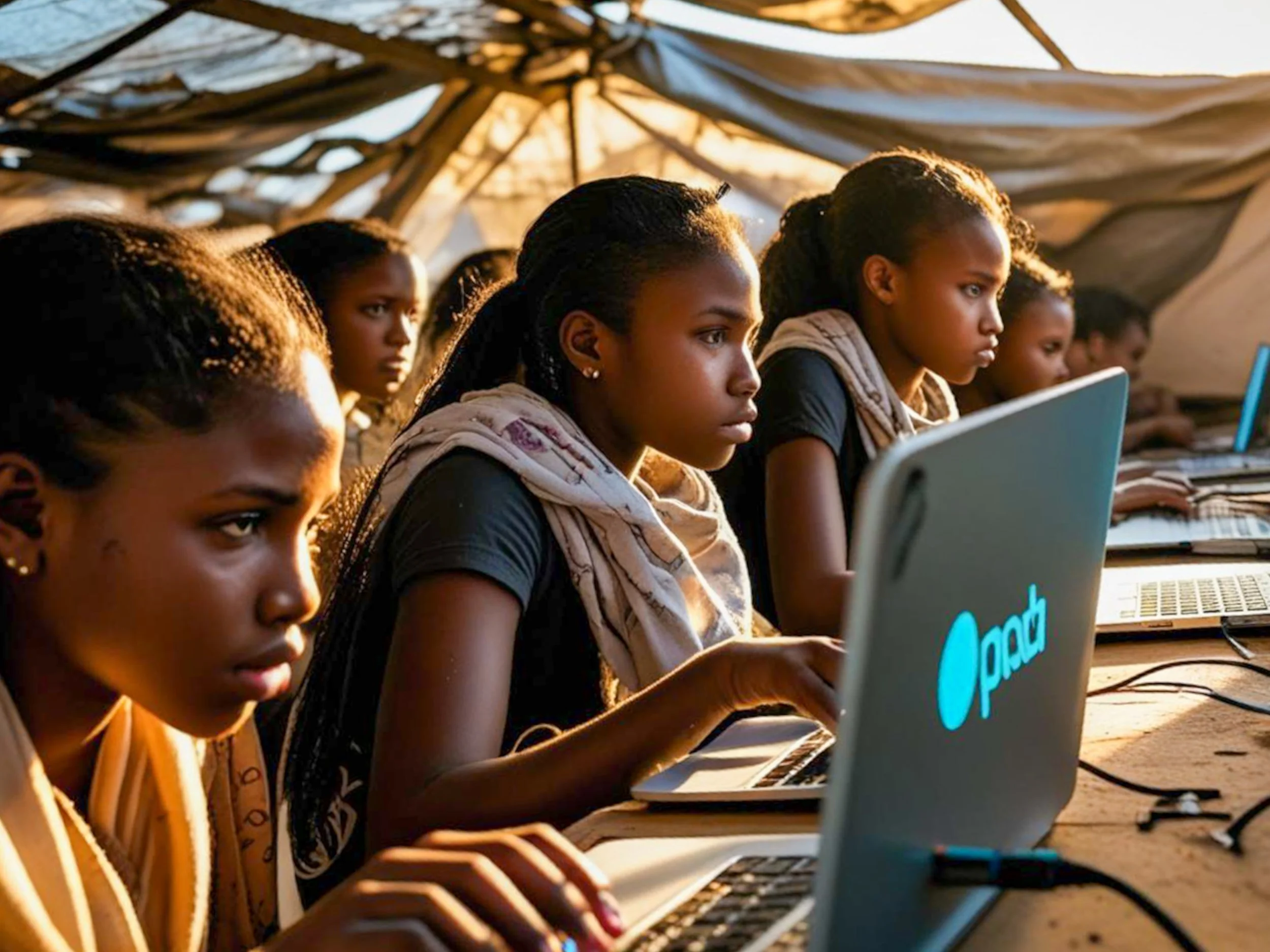
Our central mission is to empower individuals and communities to overcome poverty by providing education that is practical, accessible, and designed to deliver measurable results. Although our initial efforts emphasised support for female learners in Afghanistan, our scope has expanded to meet broader global demands for equitable educational opportunities, with a particular emphasis on fragile and underserved regions.
We prioritise education that is pragmatic and inclusive rather than theoretical or exclusive. Our courses are structured to equip learners with skills for immediate application in further studies, the workforce, or entrepreneurial endeavours.
Our offerings include:
Free or significantly subsidised courses designed to support learners facing disadvantage
Fee-based courses tailored for individuals, professionals, and organisations able to provide financial contributions
The Institute functions as a Social Enterprise, integrating mission-oriented educational initiatives with sustainable operational practices.
A Social Enterprise Model for Sustainable Impact
This approach enables the reinvestment of revenues towards broadening educational access, enhancing course standards, and assisting those who might otherwise lack educational opportunities. It maintains the Institute's financial stability while upholding our unwavering commitment to equity and social impact.
Our Vision
We imagine a future where everyone can access quality education, no matter where they live, their financial background, or personal situation.
By focusing on inclusive design, prioritizing mobile access, and operating as a sustainable social enterprise, the Institute for Equity in International Education creates opportunities that help learners connect, grow their skills, and fully engage in both economic and social aspects of their lives.
Why Education Matters?
-
Our delivery model centers on mobile phones, the most accessible digital device worldwide.
Courses are:
Low bandwidth
Usable on basic smartphones
Built for asynchronous learning across time zones
We also use satellite technology where possible, allowing learners access even in areas with limited infrastructure. This enables broad international reach without costly or high-bandwidth systems.
-
Our work is guided by a core set of values:
Equity before scale – putting those who are often left out of education first
Practical learning – emphasising skills that lead to real economic opportunities
Inclusive design – designing education with respect for local context, culture, and limitations
Sustainability – adopting a Social Enterprise model to create lasting impact
We don’t believe in a uniform solution for everyone. Instead, our programs prioritise flexibility, cultural sensitivity, and respect for all learners.
The Challenges We Face

EquityEd works in complex environments where access to education is shaped by social, economic, and technological factors. These challenges are real, measurable, and solvable.

-
Gender-based restrictions limit access for girls and women
Cultural expectations can discourage participation in education
Language diversity creates barriers to inclusive learning design
-
Limited access to mobile devices or computers
Inconsistent or unavailable internet connectivity
Financial constraints limit the ability to scale access

-
Low digital literacy among learners and educators
Limited exposure to online learning systems
Need for structured training to support effective engagement
-
Conflict and political conditions impact continuity of education
Safety concerns affect both learners and educators

-
Interrupted schooling affects learner progression
Variation in foundational literacy and numeracy levels
Contact Us
Interested in working together? Fill out some info and we will be in touch shortly. We can’t wait to hear from you!